design · ai · May 22, 2026
why should designers work with ML engineers on fine-tuning AI agents
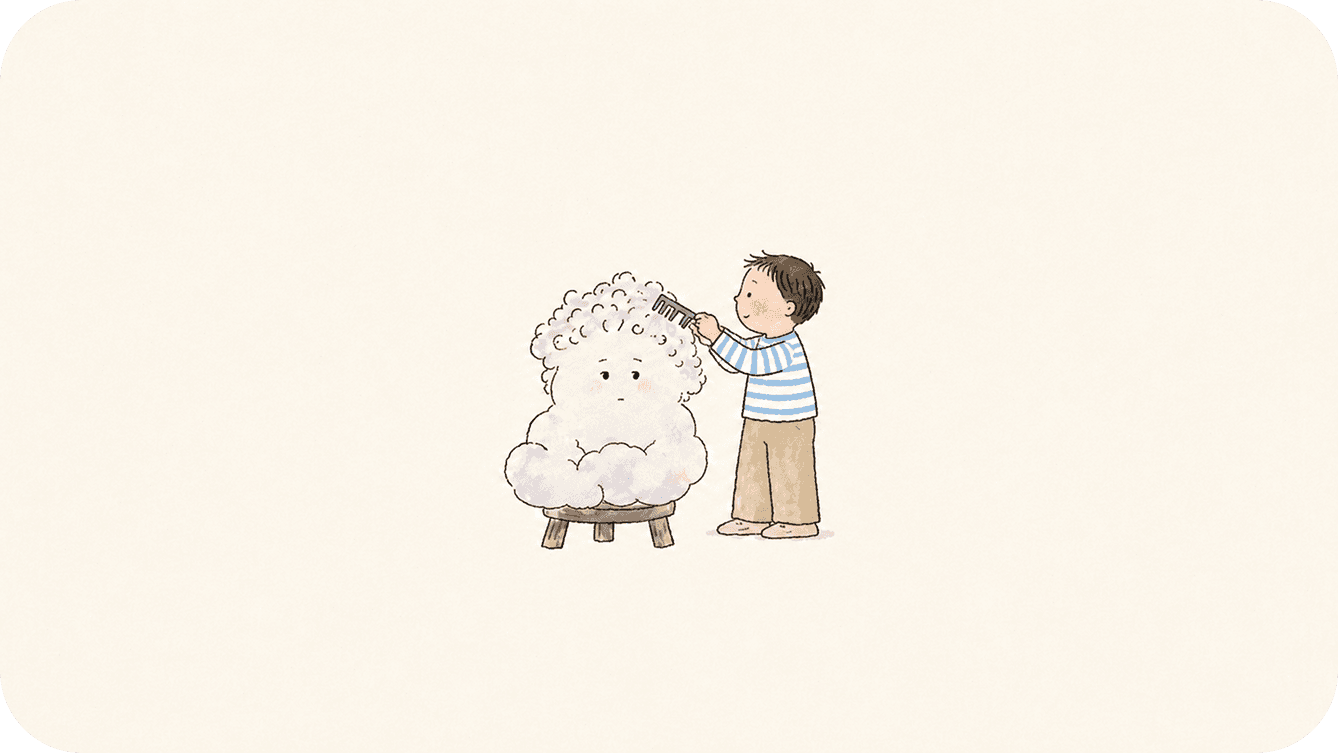
if designers can understand humans. why can't they understand AI agents?
why designers should be in the room when you build your AI agent
most teams building AI products have a predictable setup. ML engineers fine-tune the model. product managers define the use case. designers skin the interface at the end.
that pipeline is missing something.
when you build an AI agent, you are essentially building a smarter, faster version of a human responder. it takes inputs, processes context, and produces an output that a real person will read, react to, and act on. the quality of that output depends entirely on how well you understand two things: the human receiving it, and the agent producing it.
designers are trained to understand exactly this.
the agent is not just a model. it is a conversation.
think about what a prompt harness actually does. it sets the parameters for how an agent thinks. what context it considers. what tone it responds in. what it prioritises when inputs are ambiguous. how it handles gaps in information.
these are not engineering decisions. they are design decisions.
when an ML engineer writes a prompt, they are optimising for output correctness. that is important. but a correct output delivered in the wrong tone, with the wrong assumptions about what the user already knows, at the wrong moment in their workflow, is still a bad experience.
designers know this because they spend their careers thinking about exactly that gap. the gap between what a system produces and what a human actually needs.
input, thinking, output. sound familiar?
here is the pipeline of an AI agent: it receives an input, processes it against a set of parameters, and produces an output. the human reads that output and it becomes their new input. they react, respond, and the loop continues.
this is identical to how designers think about user flows. stimulus, cognition, response. what does the person bring in? what do they expect? what does the output do to their next decision?
designers who are good at mapping human psychology are also, structurally, good at mapping agent behaviour. the skill transfers. it is just pointed at a different kind of mind.
what designers can actually contribute
this is not about replacing ML engineers. the complexity of fine-tuning models is real and deep. designers are not there yet and most never will be.
but there is a layer between the model and the interface that designers should be inside. the prompt layer. the harness. the place where you decide what the agent knows, how it reasons, and how it speaks.
specifically:
what inputs is the agent taking, and are those the right inputs for this user's actual context?
what assumptions is the agent making, and do those assumptions match how a real user thinks about this problem?
what does the output sound like to a person who is confused, or rushed, or trying this for the first time?
these questions are not answered by model weights. they are answered by people who understand humans.
the designers who will matter most in the next few years
right now, design and ML sit in separate rooms. that separation made sense when AI was a feature. it makes less sense when AI is the product.
the designers who will be most valuable are not the ones who learned to code. they are the ones who learned to understand the agent the way they already understand the user. who can sit with an ML engineer and say: this output is technically correct but humanly wrong. and here is why.
observation, empathy, pattern recognition in human behaviour. these are the tools designers already have.
the question is whether they are willing to point them somewhere new.